Ordering and Installation Guide: Integration Board for Custom Dash for IS200/IS300/Altezza
001
Integrating a custom dash into the instrument cluster is one of those jobs where a well-designed part saves a lot of improvisation. The integration plate for IS200, IS300, and Altezza is designed to achieve a clean installation by using original dashboard components and avoiding unnecessary destructive modifications.
This version of the guide reorganizes the original content into a clearer and more practical reference for both ordering and installation.
What this integration plate does
The function of the plate is simple but critical: it allows the custom dash to be installed as if it were part of the car, using the original dashboard structure.
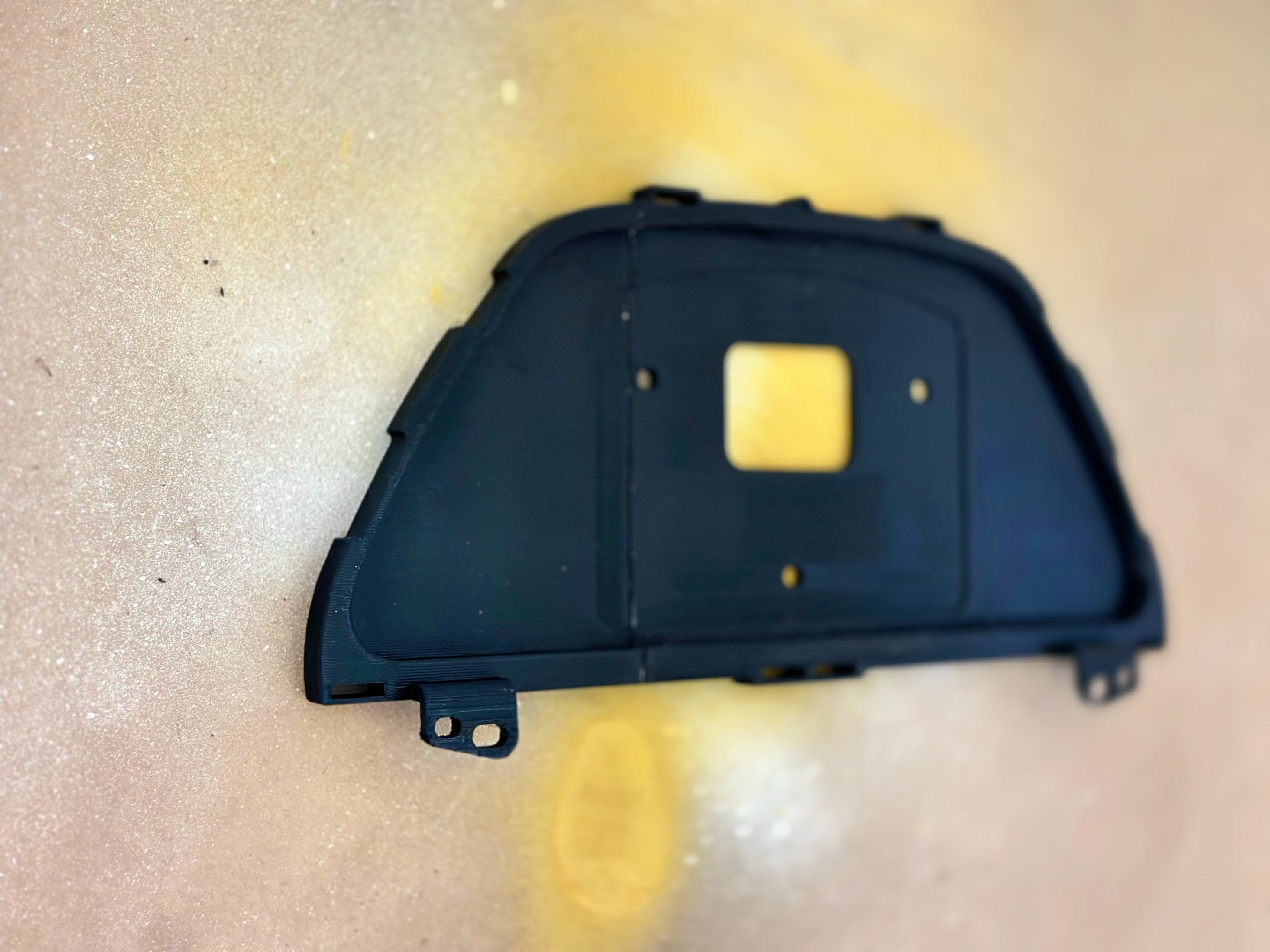
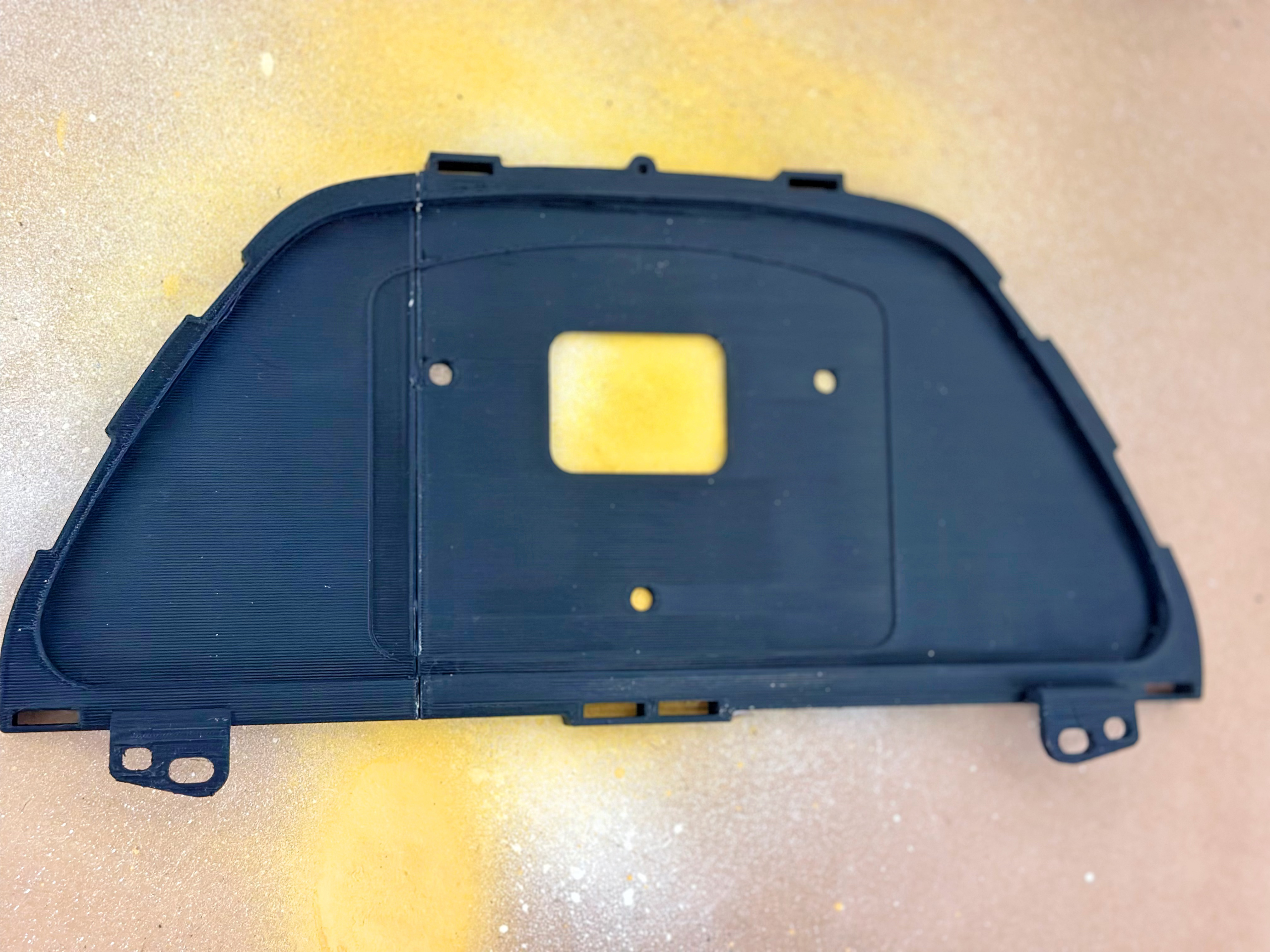
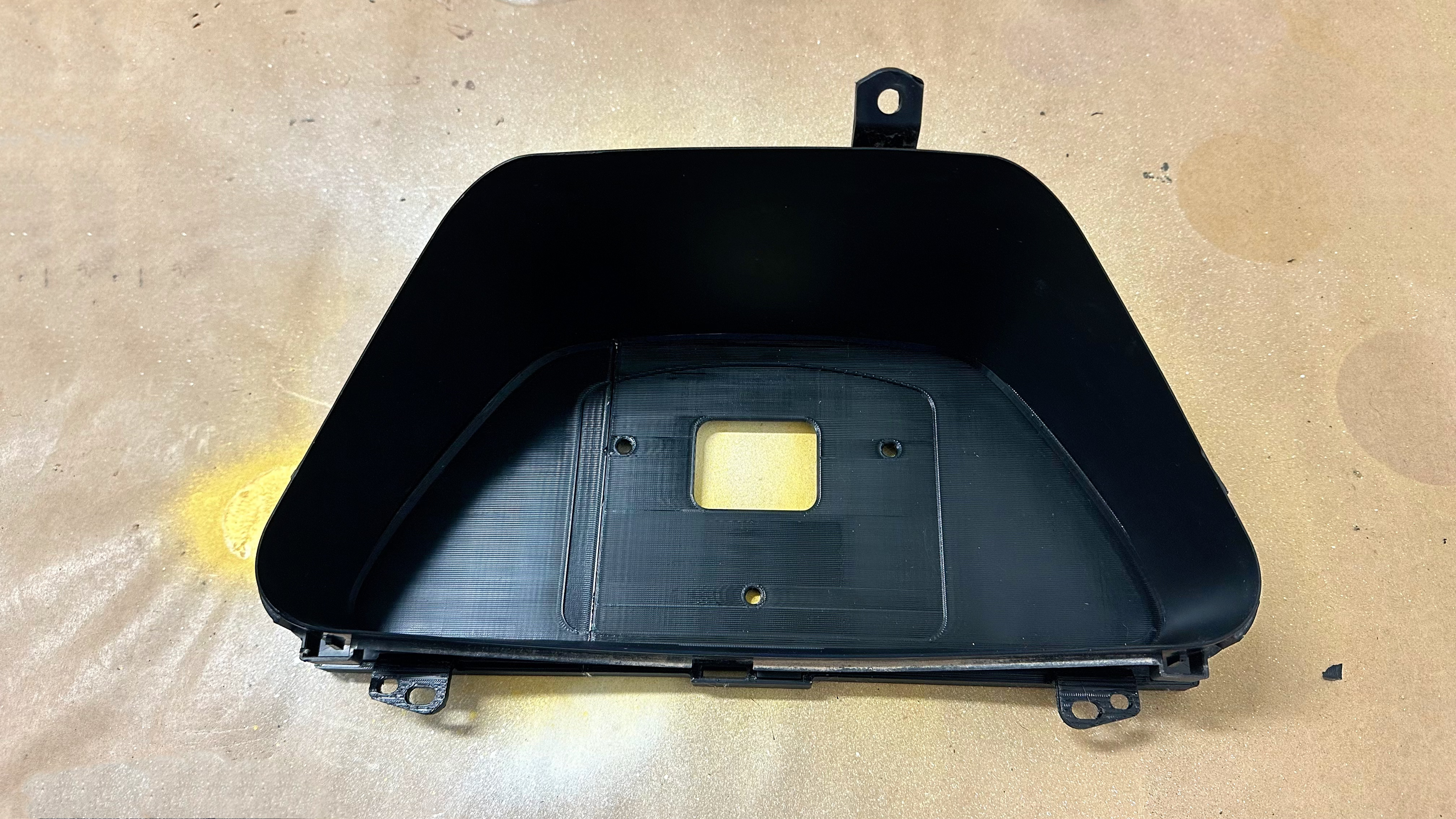
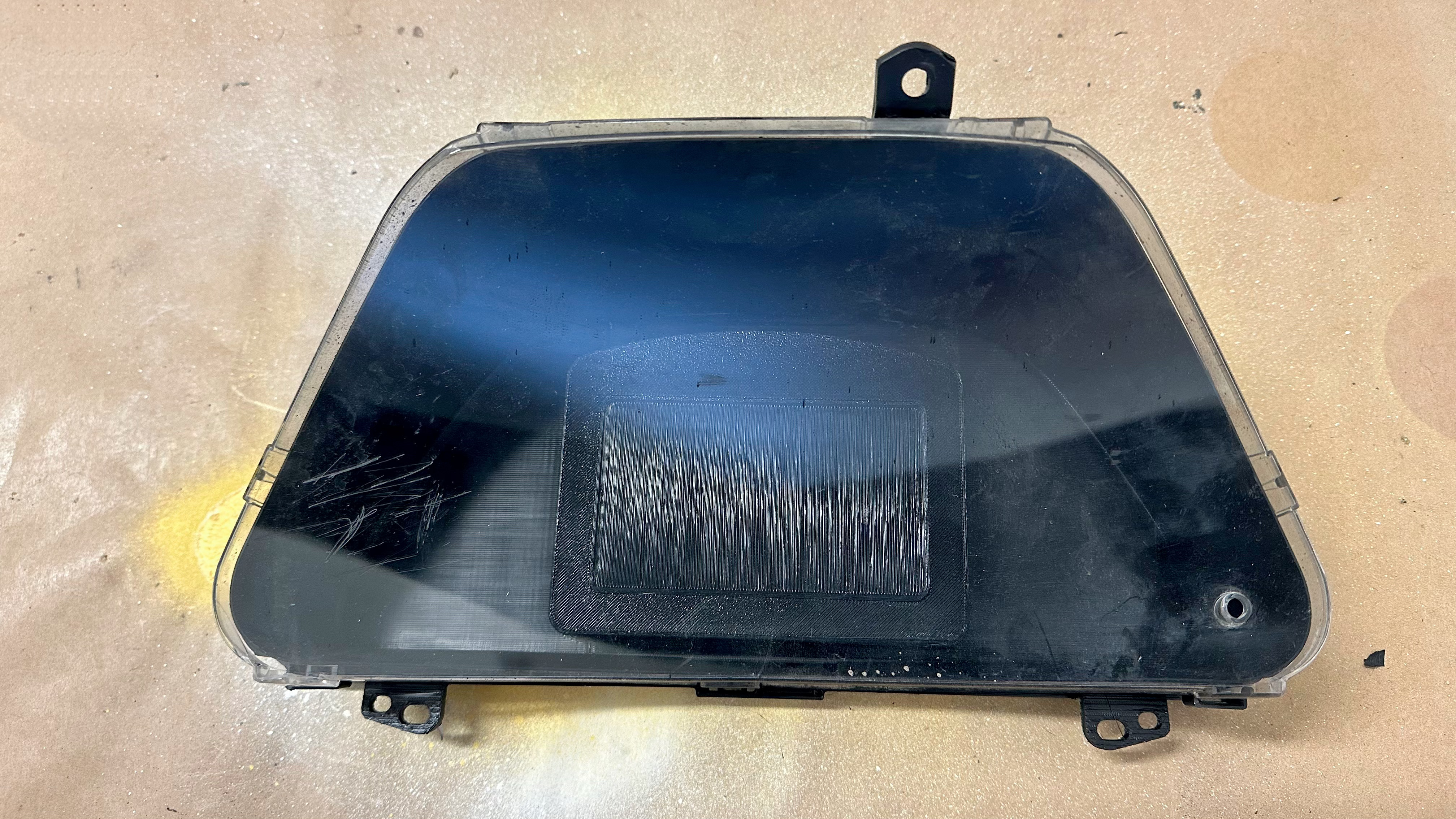
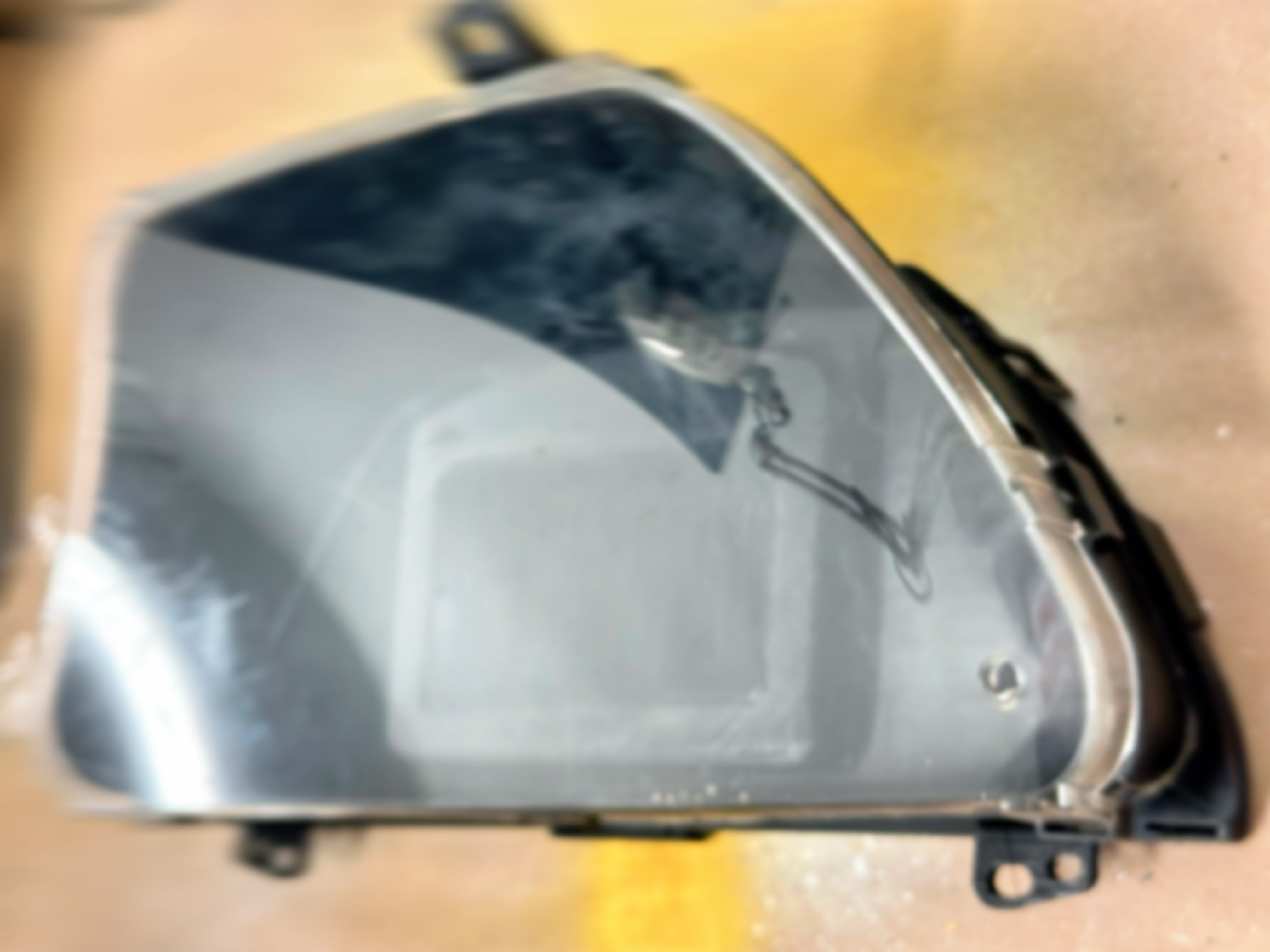
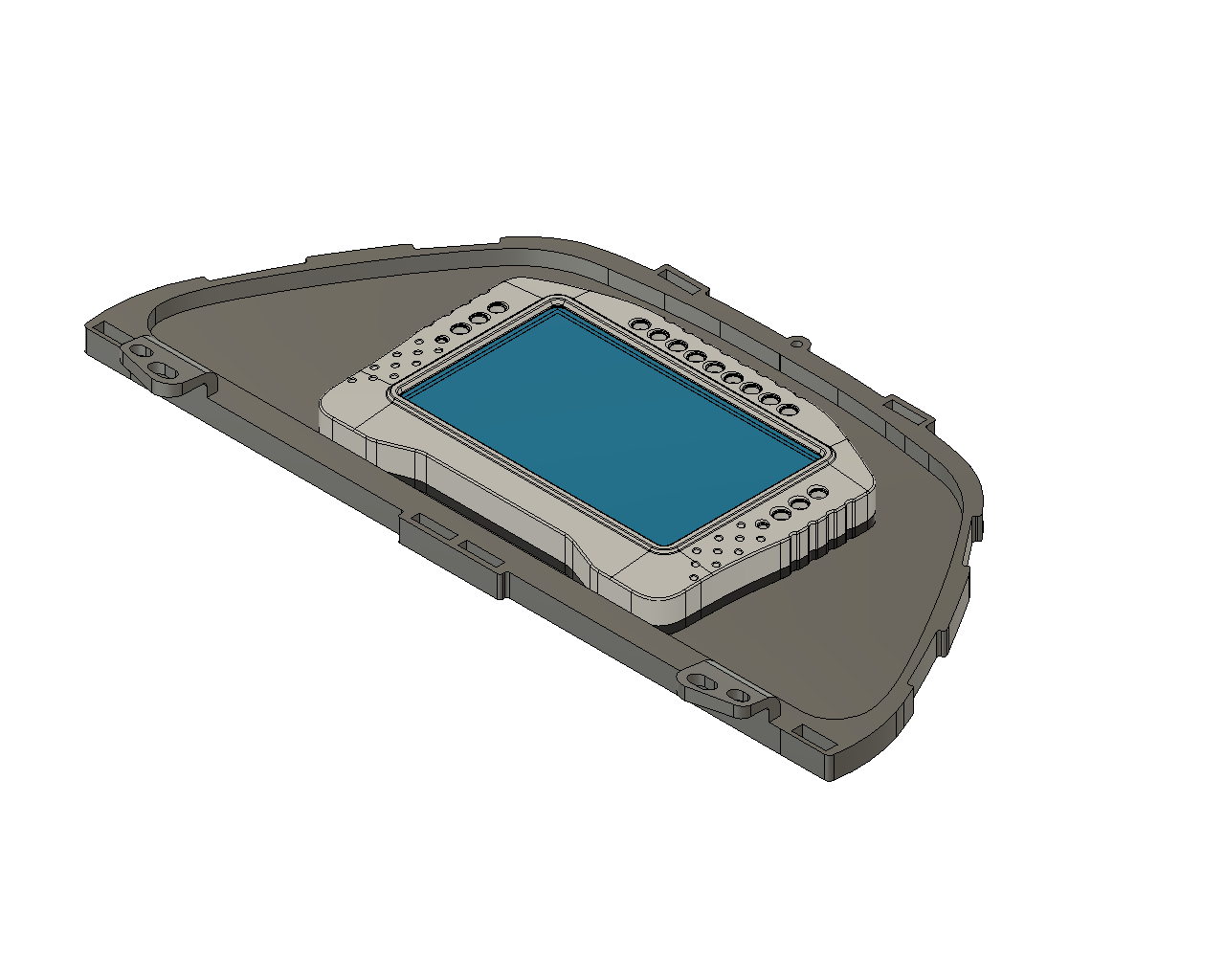
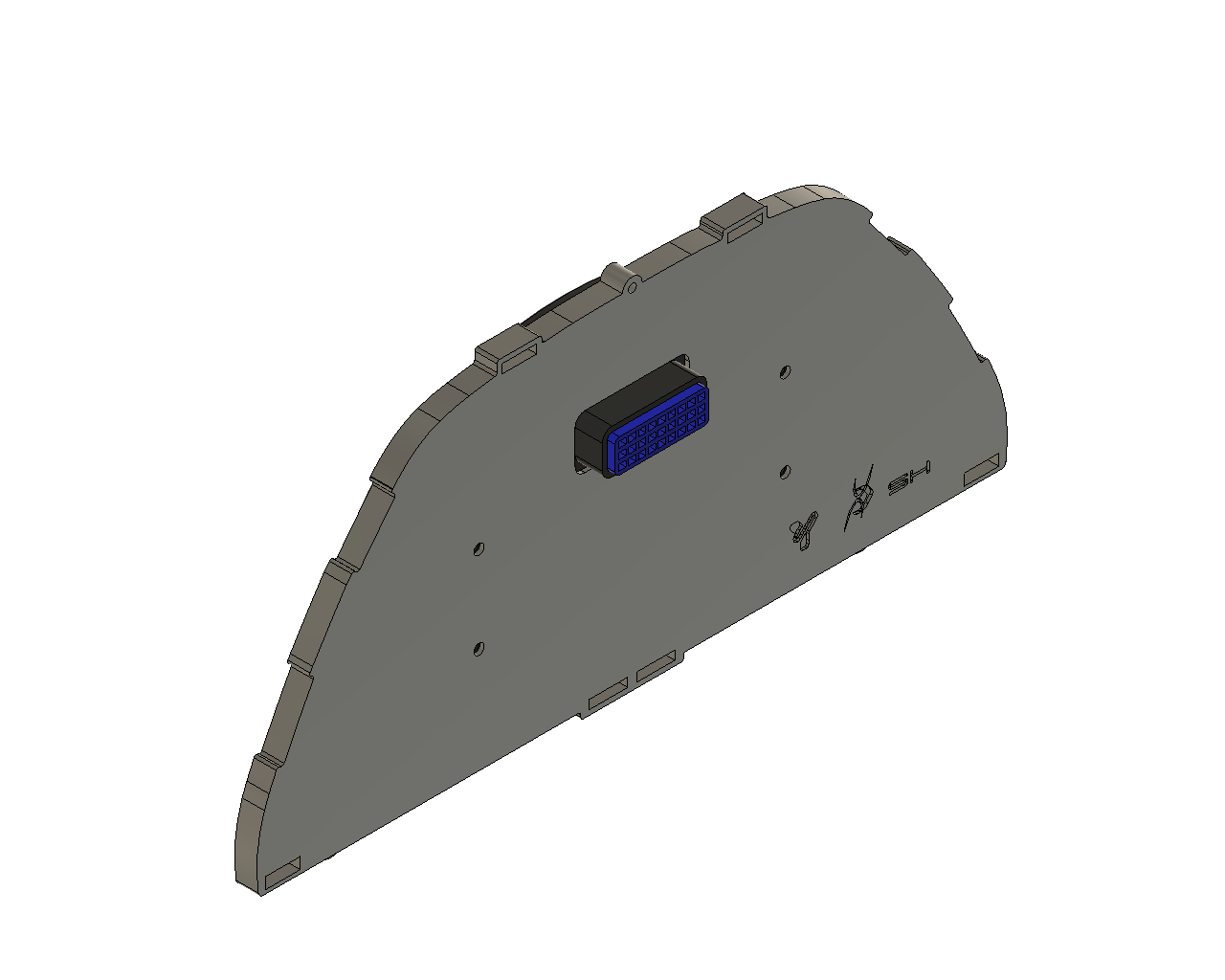
001
What it provides in practice
- cleaner installation
- closer-to-OEM integration
- use of original parts
- less need to cut or modify vehicle components
Made-to-order manufacturing
The part is manufactured on demand and produced by the closest facility to the customer, using resin SLS.
Why this process fits
- high precision
- better finish for interior automotive use
- improved performance in complex geometries
- more consistent result compared to home FDM printing for visible parts
Important notice
⚠️ After 24 hours from purchase, the order can no longer be canceled.
This is important because the product is not stocked — it is made specifically per order.
Compatibility
This guide applies to:
- Lexus IS200
- Lexus IS300
- Toyota Altezza
Preparation before installation
Before starting:
- visually confirm compatibility with your cluster
- prepare interior trim tools
- protect transparent plastics and trims
- disconnect the battery if working with wiring
- dry-fit all parts before final installation
Installation step-by-step
The original reference provides a basic sequence. Here it is expanded and clarified.
Step 1: place the plate in the upper dashboard level
Test-fit without forcing anything. The plate should sit naturally in position.
Step 2: screw the plate into place
Tighten evenly and ensure it does not shift out of alignment.
Step 3: install the original instrument cluster glass over the plate
This is a key detail that reinforces OEM integration. It helps the final result look like a factory component rather than an add-on.
Step 4: route and organize wiring inside
All connections remain hidden inside the dashboard. This step is critical for achieving a clean, professional finish.
Common mistakes
Closing before organizing wiring
One of the fastest ways to ruin the final result.
Rushing the initial fit
If the plate is not properly seated from the start, everything else will look misaligned.
Scratching the original glass or trim
Always protect visible parts. Even small marks stand out in interior components.
Treating it as a universal part
Even with clear compatibility, always verify your exact setup before ordering or installing.
Quick troubleshooting
Plate does not center properly
Check initial fit, mounting points, and any cable interference.
Glass does not sit correctly
Ensure the plate is fully seated and nothing is pushing from behind.
Final result looks off
Before blaming the part, review alignment, installation order, and final assembly with the original glass.
Quick FAQ
Does this require modifying the dashboard?
No — it is designed to use original components and avoid destructive modifications.
What manufacturing process is used?
Resin SLS, according to current Sychev Lab information.
Can the order be canceled later?
No — after 24 hours it enters production and cannot be canceled.
Is there visual installation support?
Yes — the original publication includes video references.
Final note
The value of this integration plate lies in solving something critical in automotive builds: making the custom dash look integrated rather than added. When the correct part is combined with careful installation and clean cable routing, the result can be very close to OEM quality.
If you’re unsure about compatibility or want to avoid mistakes before ordering, asking for a photo of the dashboard and cluster is the best first step.